Since early March 2023, Connor has been based at the University of Belgrade, collaborating with Professor Aleksandra Buha Đorđević and Dr Vera Lukić. Together, they are developing a Gas Chromatography Tandem Mass Spectrometry (GC-MS/MS) method for analyzing bisphenol levels in urine samples from participants in the UK and Serbia. Their research can contribute to the prevention of diseases such as breast cancer and they hope to use this study to help educate the public about the dangers of bisphenol exposure and encourage consumers to avoid buying high-risk products.
Grit, stamina and self-motivation
Connor Powell says that his experience has demonstrated the benefits of seeking out opportunities for international collaboration:
“Firstly, I have grown considerably as a researcher. Being able to work in different laboratories with different working styles has made me more adaptable. I feel that I could easily adapt my working style to any future research environment. Secondly, I have become more motivated to explore future overseas opportunities – I now hope to apply for a post-doctoral position outside of the UK following the completion of my PhD topic. Over the course of my time in Belgrade, I have continued to develop as an independent researcher. In my opinion, the core traits that are essential for an early career researcher are grit, stamina and self-motivation. I think the long-term nature of this collaboration has prepared me to manage future research projects with long time horizons,” he says.
Be proactive and identify key skills
He underlines that being proactive in seeking out potential opportunities – especially focusing on applying for opportunities that are the most relevant to your own research interests and experiences – is essential.
“Ideally, you want the work from an international collaboration to contribute to the main theme of your PhD project. You want to identify the key skills you would like to develop and seek out potential collaborators that you can learn from,” Connor Powell says.

Simplify procedures
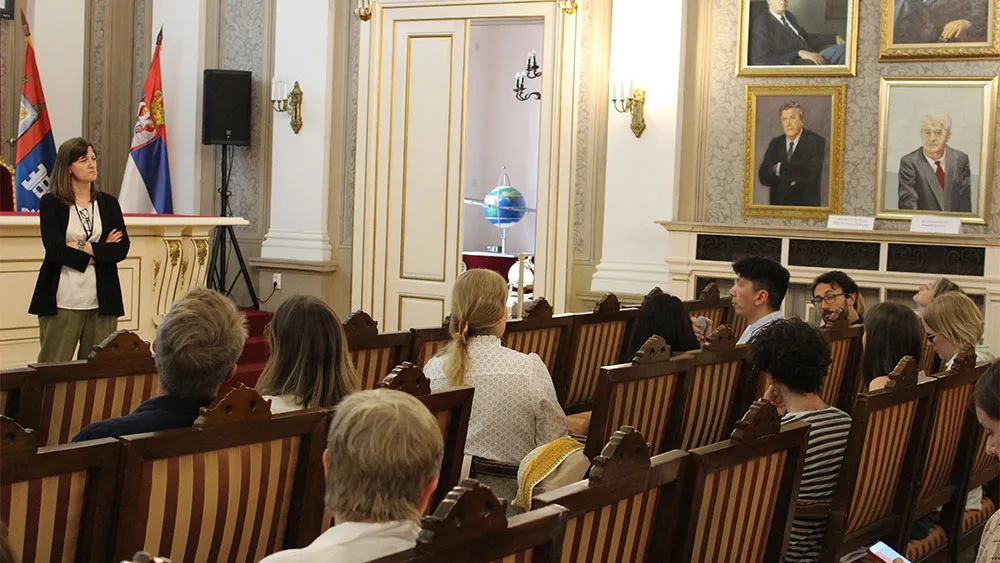
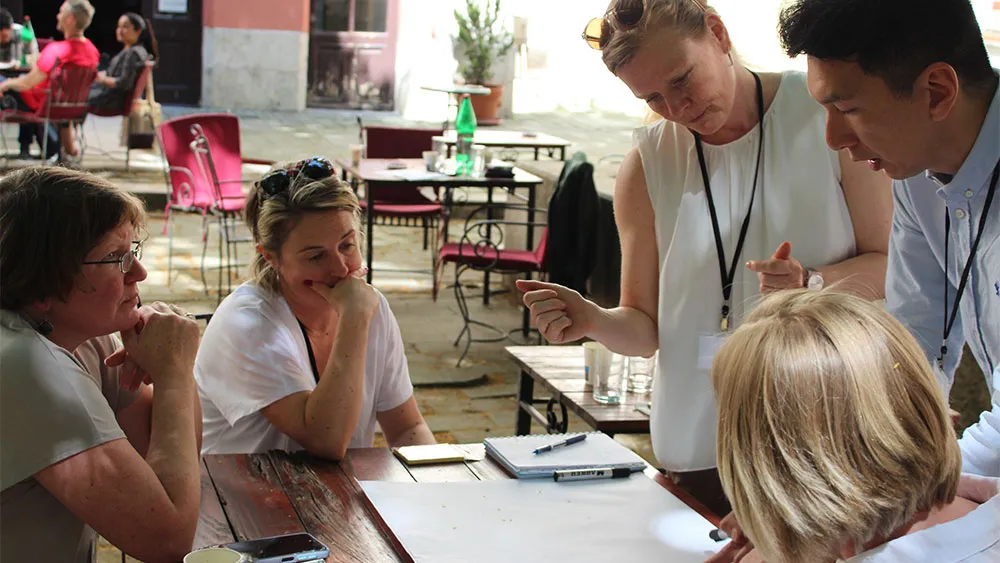
Many people “work behind the scenes” for a successful mobility within European education area to happen. At the Staff Week in Belgrade in June, administrative staff from International Relations Offices of the universities, professors and CU Academic Chairs and representatives of the Erasmus + agency colleagues shared their experiences.
Lotte Skovborg from Aarhus University points out that administrative staff at universities play important role in supporting students and staff participating in mobilities.
She says: "During our meeting we managed to dive deeper into the specifics of our administrative processes, detailing each step of a mobility process, and discuss how we can enable and hopefully simplify procedures for students and academics. We also discussed recognition procedures and how our current processes could potentially be improved to guarantee and make recognition automatic. This is not an easy task, which makes it all the more important to consider where our structures could allow for smoother processes.”
Sharing and trust
Anne Charlotte Lindblom, University of Oslo, finds that good information flow is an important strategy to foster stronger cooperation and collaboration between the alliance partners, in addition to knowledge sharing, transparency and an overall trust in each other.
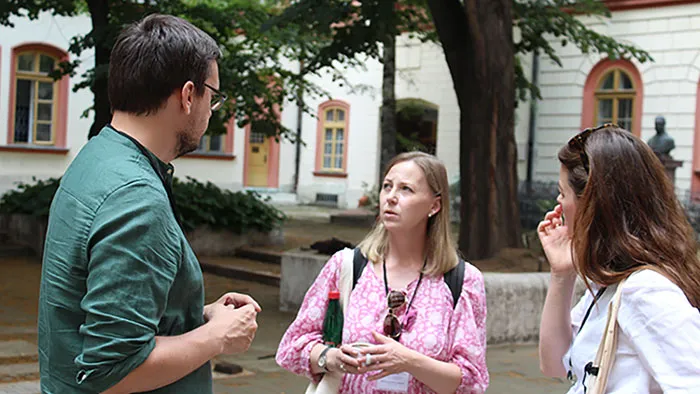
“We are all dependent on each other to develop successful activities. I believe that by sharing knowledge and best practices, good information flow, both internally and externally, and the implementation of various processes and guidelines, we as a team will develop multiple sustainable activities that will last way beyond the Circle U. project period!,” she says.
Ljubica Dimitrijevic, Deputy Head of Office for International relations at the University of Belgrade, says it was a privilege to host colleagues from universities within the alliance who work closely with (short term) student and staff mobility and exchange experiences and best practices on the topic:
“Key point of the program was to learn more on how to successfully organize Blended Intensive Programs within the Erasmus+ mobility program and I hope we have more answers, solutions and ideas than new questions on this topic as the result of this event”.