Discover our CU.ecr in action

The CU.ecr offers a unique platform for sharing best practices and addressing challenges related to the training, mobility, and career development of Early-Career Researchers (ECRs) within our universities.

The CU.ecr was developed within the Circle U.'s Empowering Research Innovation Action project between 2021-2024, and was formerly known as the ECR Forum.

Community of Practice for Early-Career Reseachers (CU.ecr)

As a community of practice, the CU.ecr facilitates regular interaction among members to exchange experiences and identify areas for improvement. The CU.ecr has already conducted workshops and is creating digital tools to enhance communication among its members.

Membership includes ECRs, academic supervisors, and administrative staff supporting ECRs, such as heads or coordinators of Doctoral Schools and representatives from research institutes/centres or faculties. Building on the pioneering activities of CU ERIA, this community of practice aims to:

  • Support the skills and career development of early-career researchers.
  • Share good practices and discuss issues related to ECR training, mobility, and careers, including topics such as training content and mentoring.
  • Share and provide guidance on developing training sessions for ECRs.
  • Oversee the development of mobility schemes for ECRs and maximize mobility opportunities within the alliance.
  • Promote the use of the cotutelle de thèse model to enable ECRs to establish close ties with two CU universities for both training and research.

Fellowships

Mobility programme

Postdoc Mobility Programme

Looking to expand your research network across Europe? The Circle U. Postdoc Mobility Programme offers short-term fellowships to help postdocs find their future teams, prepare funding proposals, and take the next step in their academic careers.

Network

Circle U. Intersectoral Mobility Programme

Boost your career with Circle U.’s Intersectoral Mobility Programme: short stays for PhDs and postdocs to gain skills, expand networks, and collaborate beyond academia across Europe.

Courses

Students studying analytics
BachelorMasterPhD

Open Conversation: AI and the Future of Social Sciences Graduates

This Open Conversation will examine how AI tools are already changing the professional landscape that politics, policy, and international relations graduates enter, how their growing use throughout students’ academic journeys may be quietly reshaping cognitive habits and analytical skills and how unequal access to the most powerful AI platforms risks deepening existing inequalities between students and, ultimately, between future professionals.
Close up of a globe
Master 3 ECTS

Negotiating Global Health Law: A Mock Negotiation on the WHO PABS Annex
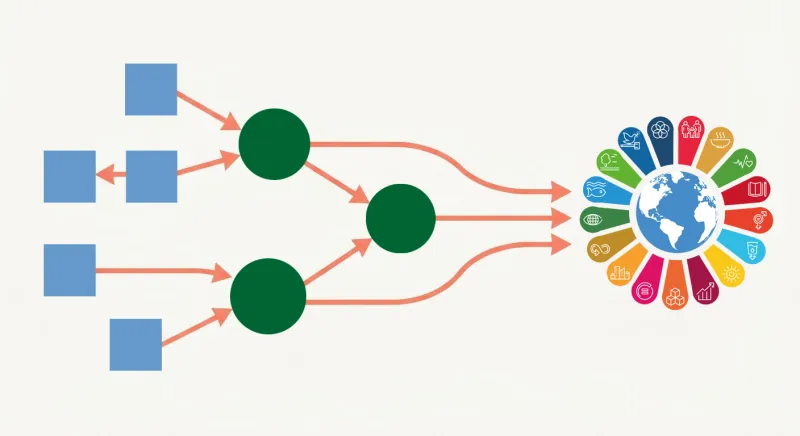
Step into the world of global health diplomacy through a hands-on simulation of negotiations on the WHO Pandemic Agreement’s Pathogen Access and Benefit-Sharing (PABS) Annex with this Circle U. course. Represent national delegations and stakeholders, develop negotiation strategies and engage with the legal, political and scientific challenges shaping global pandemic preparedness.
Illustration for the course "Measurement models"
Master 10 ECTS

Measurement Models

Sound evidence for sustainable development requires sound measurement. This course provides master’s students with the theoretical foundations and practical tools to build, evaluate, and critically assess measurement models and structural equation models (SEM) using R.
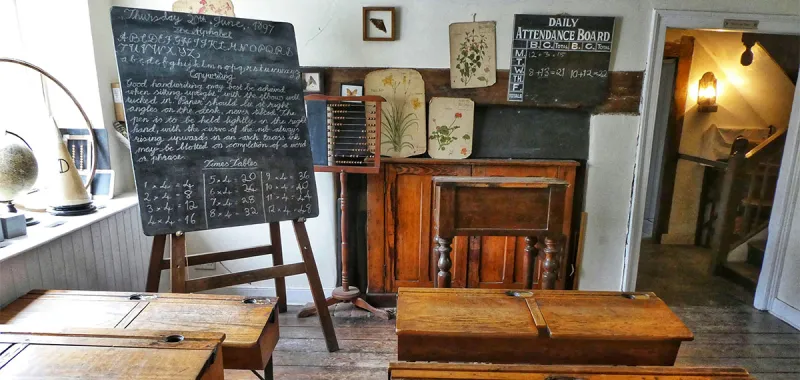
Back to School scene from the 20th Century. Photo: Belinda Fewings on Unsplash
PhD 5 ECTS

Teacher Professionalisation in the Age of AI: Knowledge, Identity, and Pedagogy
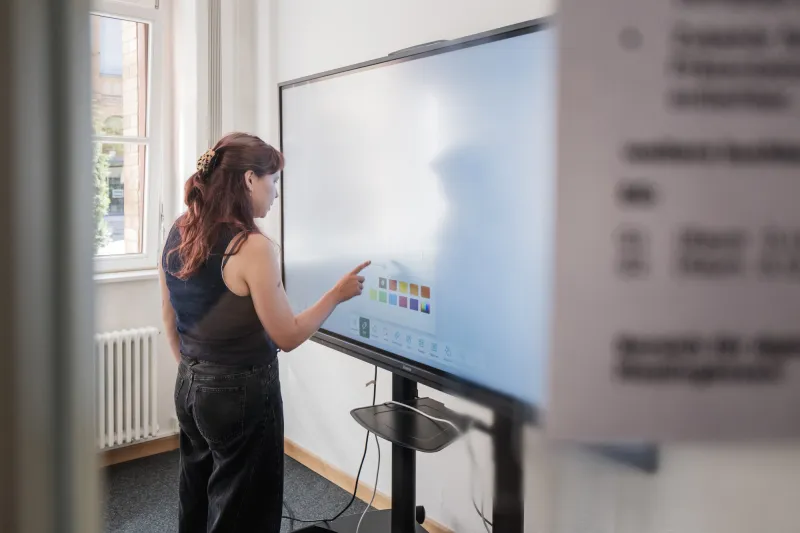
As generative AI tools increasingly generate lesson plans, assist with feedback and simulate subject-matter expertise, classical frameworks of teacher professionalism encounter significant theoretical and practical limits. This course enables doctoral researchers to examine these gaps and position their work within an emerging field.
A person standing facing a smart board.
BachelorMasterPhD

Lecture Series: Understanding the Past. Teaching in the Present.
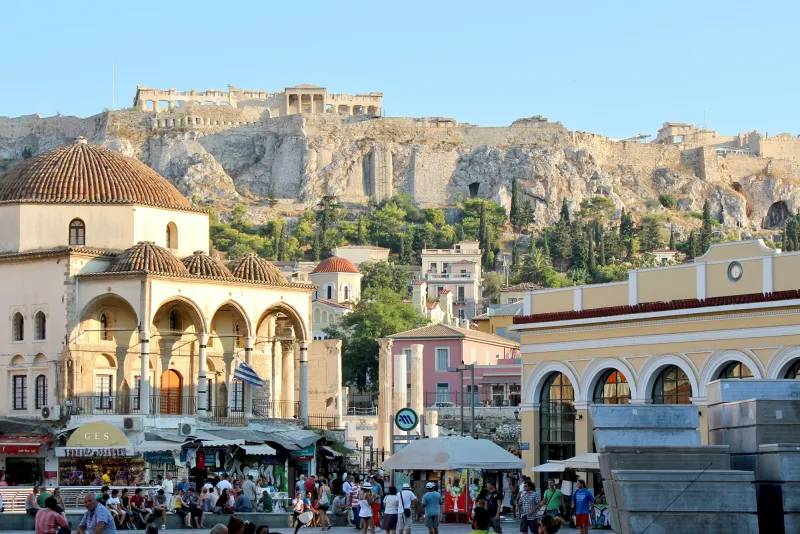
How do histories of colonisation, migration, language, race, class, gender and power shape the classrooms we teach in today? And what does this mean for you as a future teacher?
People walking in the streets of Athens during daytime
PhD 3 ECTS

Interdisciplinary Approaches to Ancient Religious Texts: Neighbourhood Studies as Case

This intensive three-day course in Oslo investigates how religion both shaped and was shaped by everyday life in the ancient world.
UCL_CU.ecr Workshop_2026
23
Nov.
2026

[Cancelled] CU.ecr Workshop - Transdisciplinary training in doctoral and postdoctoral education

Group of students talking
Past
12
Oct.
2026

Circle U. for Early Career Researchers: Funding, Mobility and more

Student life in the University Park at AU
Past
17
Sep.
2026

CU.ecr Workshop: Career Development as a Core Academic Responsibility

women founder network
Past
04
May.
2026

WFN "From Potential to Power" Spring Track 2026

The alliance of 9 European Universities