The interdisciplinary course explored forms of poverty within the framework of national and international politics and provided insight into analytical tools for critically assessing and understanding how factors such as democracy, human rights, corruption, climate change, and foreign aid affect poverty alleviation.
Premiere of the Open Conversation series
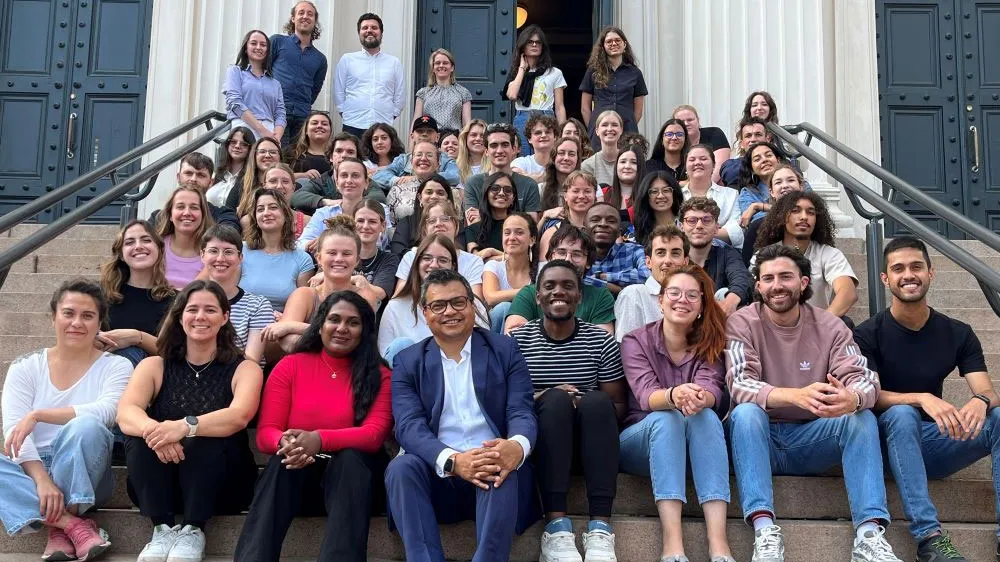
The teaching comprised both lectures and group work, with academic contributions from the University of Oslo's partners at UCLouvain, University of Belgrade, and Aarhus University. The program also included a visit to the Nobel Center, which is an associate partner of Circle U. Additionally, there were social events, such as a pizza garden party at professor Banik’s place and a group dinner at a restaurant. The summer school concluded with students submitting a group project.
The summer school also included the first event in the Circle U. Open Conversation series (youtube.com). The Open Conversation series, currently under development, will comprise a series of dialogues, open to the entire Circle U. community and wider public. These dialogues will respond to contemporary challenges, by bringing knowledge and practice together across the Circle U. ecosystem, in ways that advance educational transformation, empower students, and build towards the future they will inhabit.
Poverty is a global issue
"This interdisciplinary course gave students a thorough understanding of poverty as a global issue affecting over a billion people. By analyzing democracy, human rights, and climate change, they learned to critically evaluate poverty alleviation measures with expert insights from across Europe through the Circle U. alliance," says Dan Banik.
"Besides the academic aspects, it was important for us that the students, representing all nine universities in the alliance, had the opportunity to get to know each other better. This facilitated good discussions while allowing them to experience life in Oslo during the summer," he adds.
Expectations exceeded
The academic experience matched the students' expectations well:
"I was both inspired and more aware of the challenges around us," says Alena Sulimenko, who studies English at Université Paris Cité.
"When I applied, I expected to learn more about mechanisms to combat poverty, and I was also very curious about the connection between democracy and poverty. Not only were my expectations met, but they were exceeded because the course turned out to be full of information, and my understanding has significantly expanded," she says.
"I study the interconnection between peace, security, and development. The summer course is related to what I study, especially within the development field, because it shows that development is not just about economic growth. There are other factors that need to be considered, which this week has highlighted."
One of the other factors is the importance of "hope". Banik explains:
"Hope is crucial because it gives us the courage to act and create innovative solutions in the face of global challenges. Balancing the crisis narrative with hope is necessary to promote a sense of agency and positive change. But hope must be fact-based, not naive optimism," he stresses.
Changing career plans due to the Summer School
The summer school has led Alena to change her plans:
"My main conclusion is that we must never forget hope, but be aware of what is happening. I will change my career plans and shift to the social sector, not just as part of volunteer work but more professionally. So this summer school has been formative for me both personally and professionally," she concludes.