We are in the middle of an accelerating polycrisis where the climate and nature crisis coincide with a disruption of democratic values in the western world unlike anything we have seen since World War 2.
“This affects all sides of society in one way or another and demands a transdisciplinary approach that includes virtually all sciences in order to find solutions,” says Professor Marius T. Mjaaland.
Mjaaland is professor in theology and philosophy at the University of Oslo, Norway, and has headed the Circle U. course “The Anthropocene: Ecology and Democracy across the Disciplines” in collaboration with the Humboldt University of Berlin, University of Vienna in Austria and Aarhus University in Denmark.
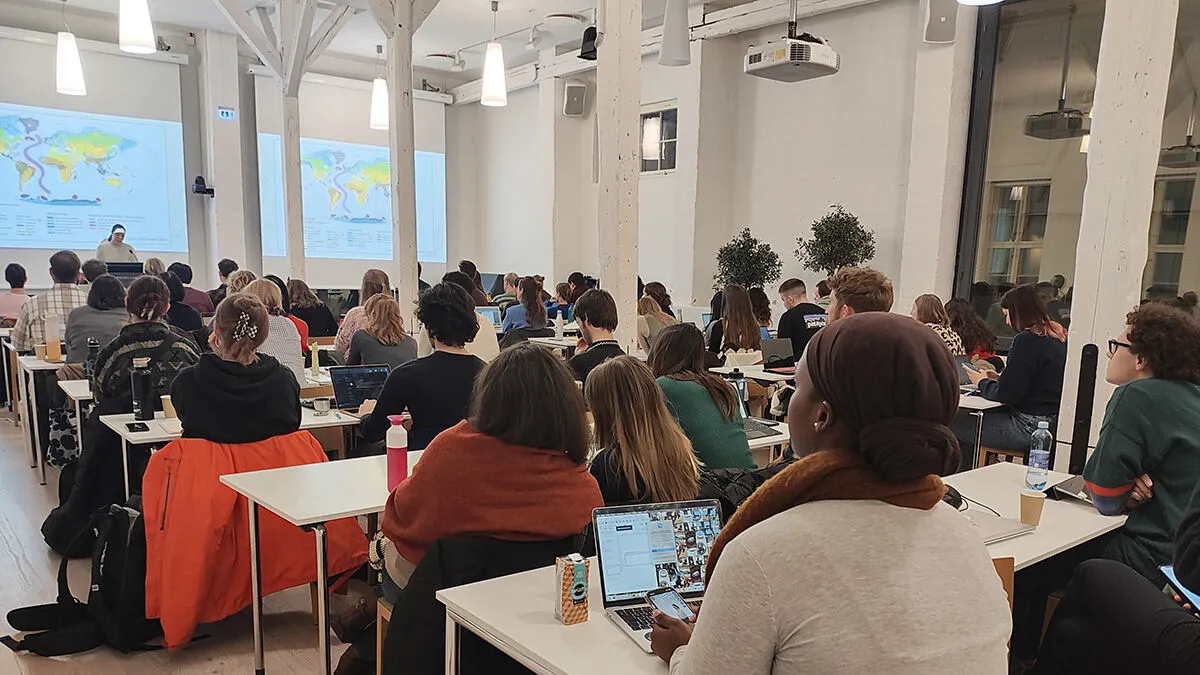
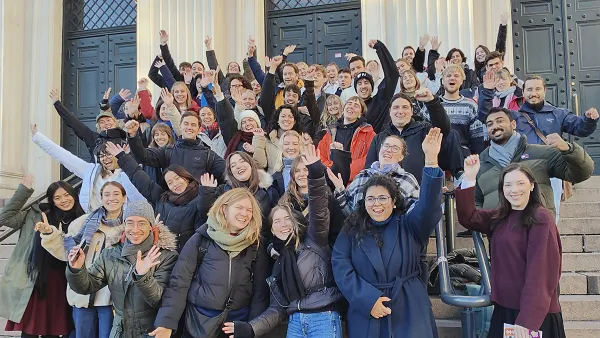
The course consisted of weekly on-line seminars throughout the fall semester and finished off with a five-day stay in Oslo with lectures, seminars, panel talks and field work.
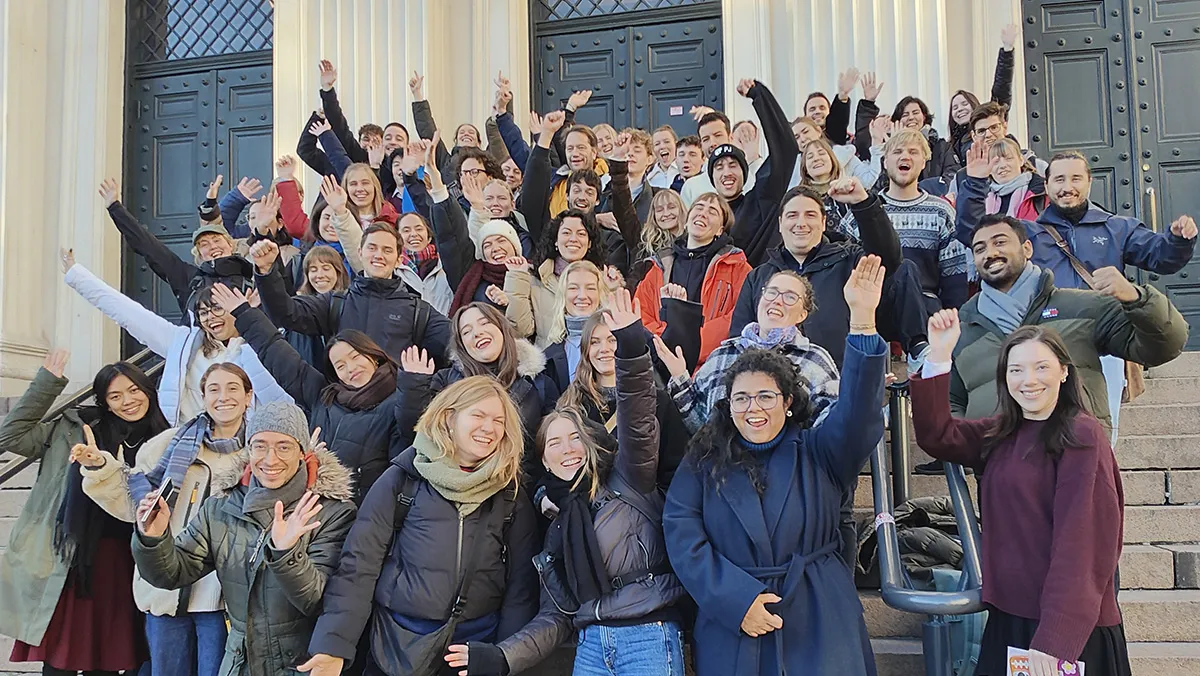
More than 200 students applied for the course. In the end, around 70 students from various fields, including the natural, social and human sciences, attended the intensive learning week in Oslo.
Diverse experiences
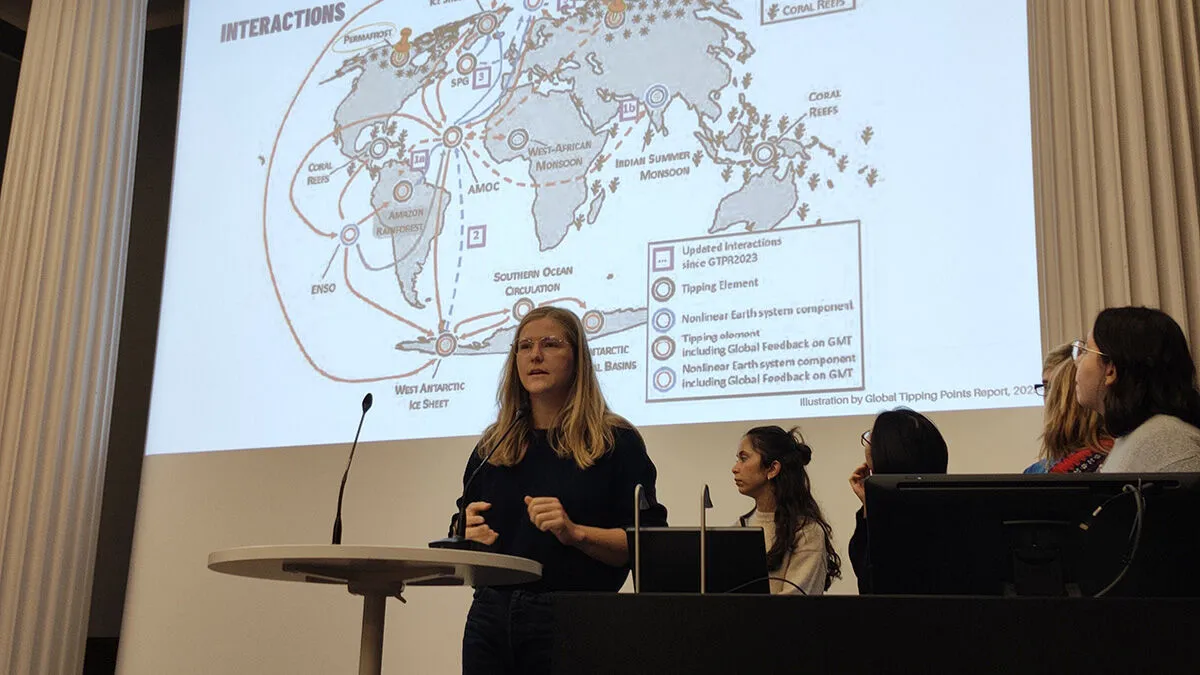
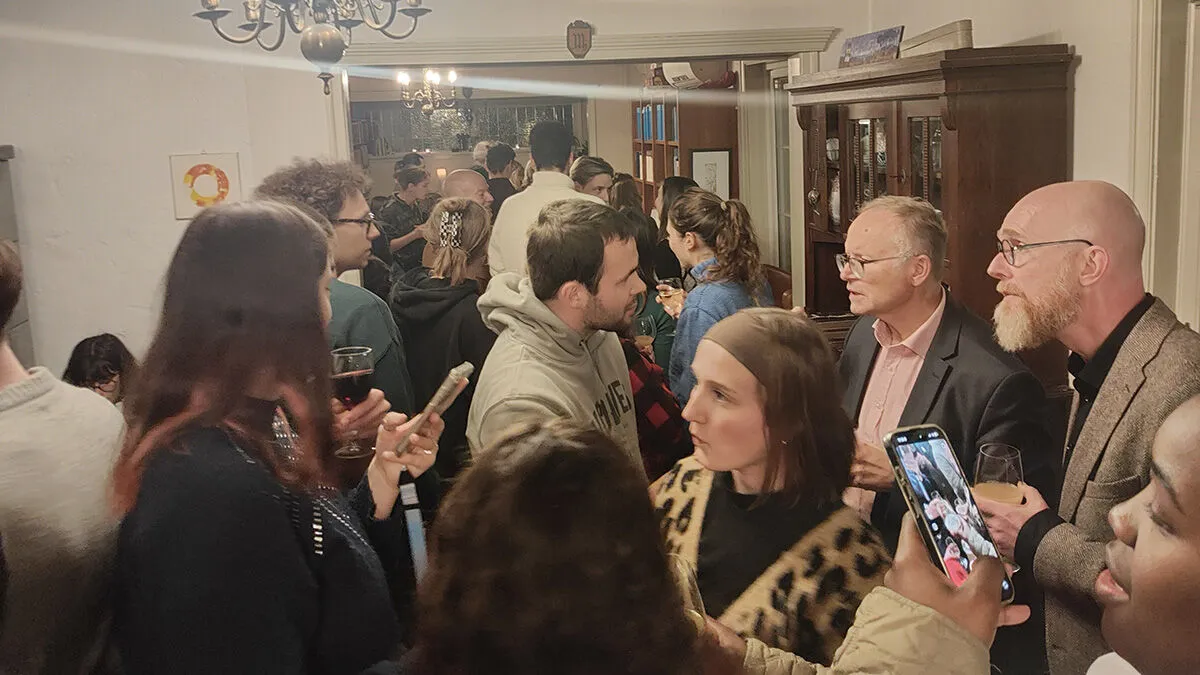
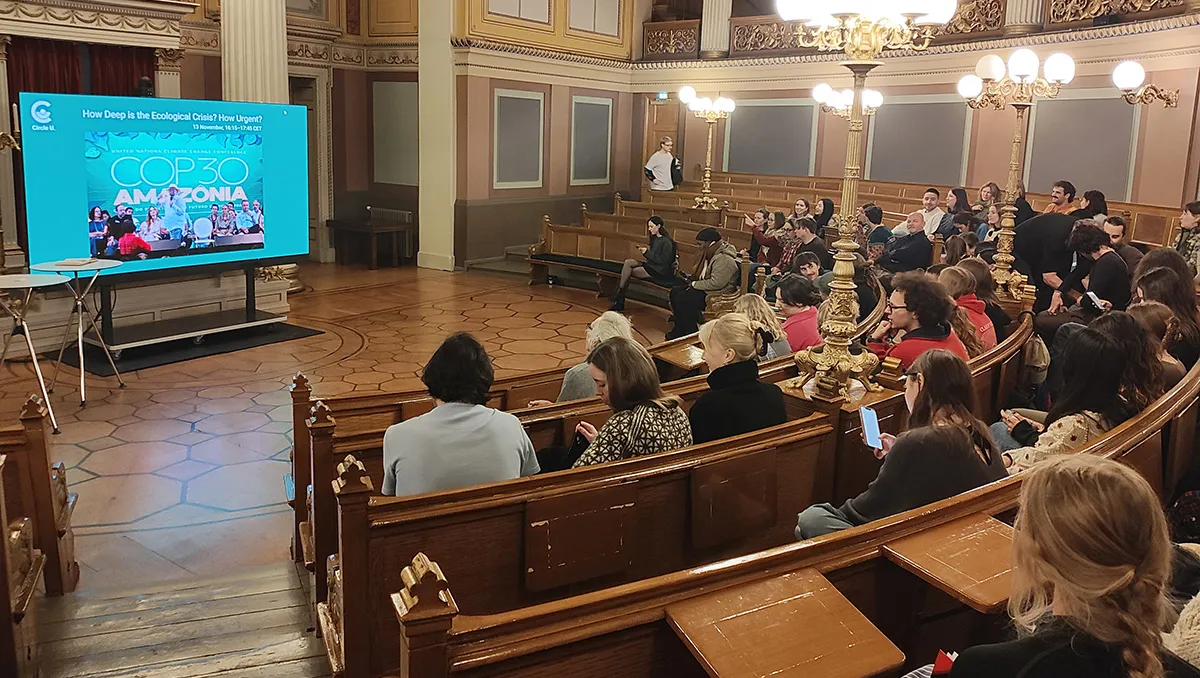
Throughout the week, the students have experienced everything from top- lectures to water sampling in the Oslo fjord and pizza, wine and song in Mjaaland’s living room.
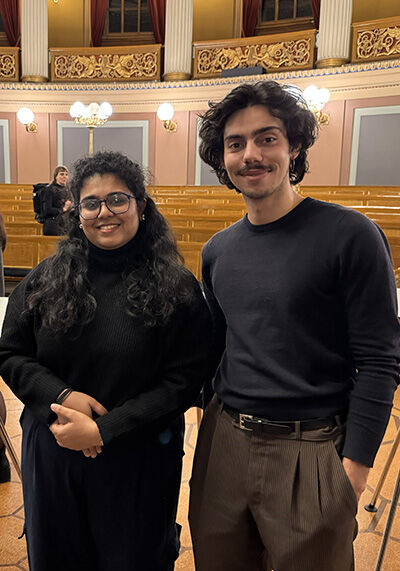
For students Ansha Henna Nazeer and Mathis Favre, this course was a new and unique way to learn about some of the most urgent issues of our time.
“The course has been amazing,” Nazeer says. She is taking her Master’s in Cultural Differences and Transnational Processes at the University of Vienna.
“It’s not only classroom-based learning; we had a mix of lectures, group work and field visits. It has been intensive, with a blend of experiential learning and theoretical learning,” she explains.
“We got to learn and meet a lot of different perspectives,” Favre says. He is attending the master’s programme in natural resource management at Humboldt University in Berlin.
“It has been amazing, dense but very fulfilling days with a perfect mixture of different learning activities.”
Water sampling rivers and fjords
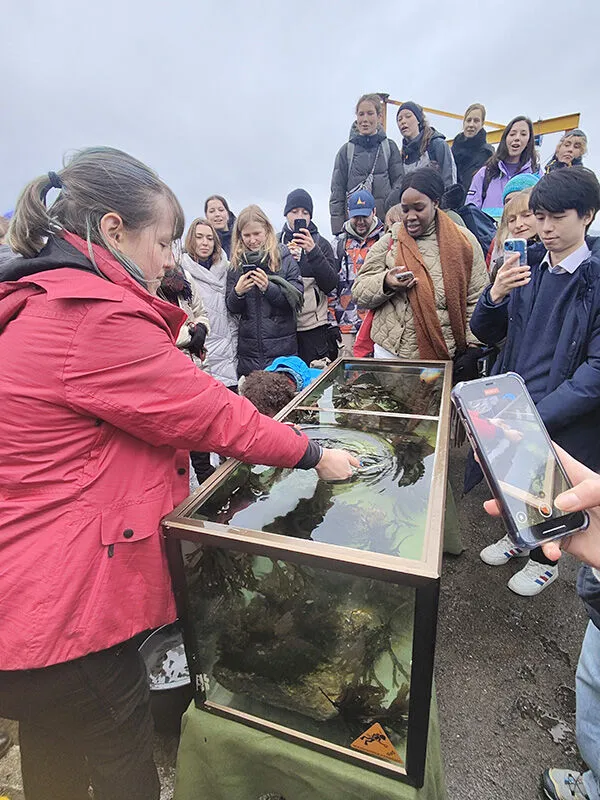
The week in Oslo gave the students an opportunity to visit places where the climate changes can be observed firsthand. The Oslo fjord is heavily influenced by decades of pollution and high pressure on marine resources and is currently in a state of crisis. In one of the field trips, the students participated in collecting water samples for analyzing water quality and marine life.
“This gave me an opportunity to explore a completely different scientific field,” Nazeer tells us. To experience practical approaches and methods from other disciplines offered new and valuable perspectives for her.
Photo: Carla Ndombo Njoya
Favre also highlights the field trip to the fjord as one of the best experiences of the week.
“We tend to talk a lot about big topics, big issues, but it was really great to have a first-hand experience on what a local NGO does. To do something practical like collecting water samples and observe marine life, I think this is the best way to connect these things with our emotions. And I think that's why it's probably one of the things that's going to stick the best from this week.”
Transdisciplinary approach
Throughout the week, after two months of weekly digital seminars, the students met some of Europe’s most prominent researchers from different scientific fields, ranging from natural and social sciences via theology and philosophy to the humanities.
For Nazeer and Favre, the transdisciplinary approach and inclusion of voices outside academia in this course was the most important thing they will take with them from their stay in Oslo.
This perspective is according to Mjaaland one of the main objectives of the course.
“Not only do we need all disciplines to attack the issues at hand from their own positions and methodologies, we need to collaborate on a new level and be influenced and inspired by each other to find new and truly transdisciplinary approaches,” he states.
“Our present polycrisis is extremely complex and cannot be solved by one or a few disciplines singlehandedly, I am convinced that the solutions we need can only be reached if NGOs, authorities, and multiple academic disciplines pull together. And that is maybe one of the most important insights we can give our students and future researchers,” Mjaaland concludes.