The Inter Circle U. Prize (ICUP) aims to foster and reward innovative interdisciplinary projects. Why highlight interdisciplinarity? As one of the winners, Prof. Antoinette Fage-Butler, phrased it: "Interdisciplinarity provides an ‘extra richness’, an extra depth and understanding of global challenges."
This year, the laureates tackle global issues from different perspectives: mistrust in climate science, climate and democratic crisis, building new narratives for our future through fiction.
"CoFutures" from the University of Oslo
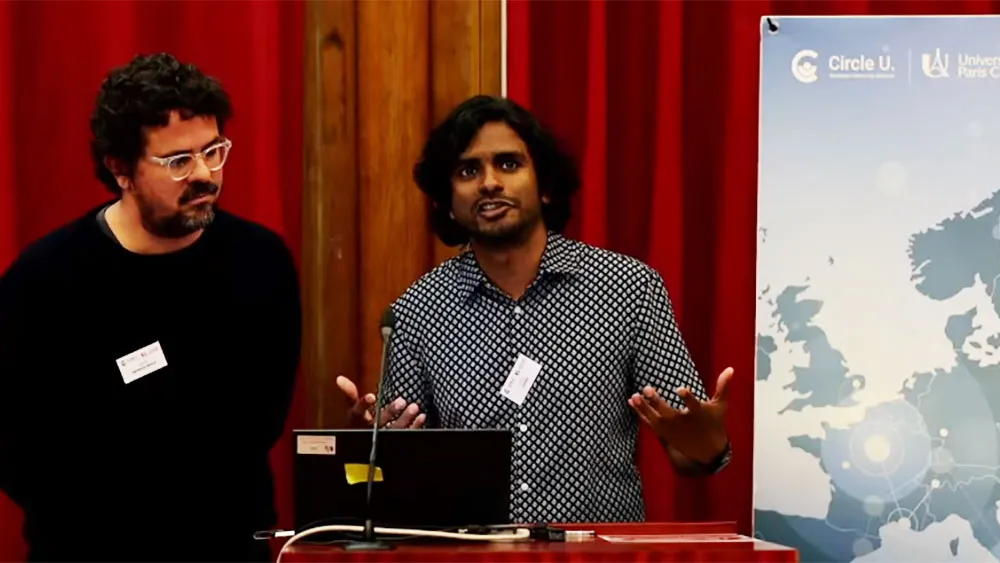
Dr. Bodhisattva Chattopadhyay leads the "CoFutures" project, which investigates imagined future fictions as local patterns of adaptation to global changes. By studying cultural, scientific, and geographic determinants, as well as technological and societal challenges, "CoFutures" seeks to enhance our understanding of global challenges at a local level.
Patrick Brock and Jomy Joseph, members of the "CoFutures" research group, stated, “With the project, we are opening up new spaces and unexpected opportunities for research - which is essential especially for early-career researchers.”
"Pursuing interdisciplinary and transdisciplinary paths towards better climate futures" from Aarhus University
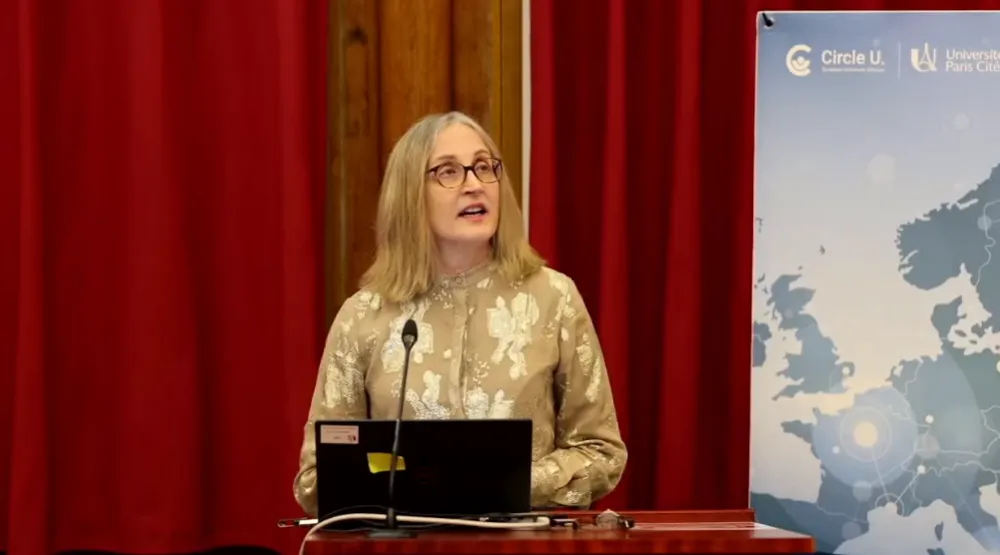
Prof. Fage-Butler's work explores trust and mistrust in climate science. Her team identified six conceptualizations of trust and examined how science communicators can gain trustworthiness.
Prof. Fage-Butler emphasizes, “Interdisciplinary research requires more time and potentially more resources. But more importantly, we need all levels of the university to foster inter- and transdisciplinarity to answer the societal challenges of today and tomorrow.”
"DEMOCRISIS: Environmental Change and the Crisis of Democracy" from the University of Oslo
Prof. Marius Mjaaland's project delves into the intersection of environmental change and democratic governance. He believes that interdisciplinary research can achieve what traditional democratic processes have struggled with: responding effectively to the global climate crisis.
Mjaaland says, “Through inter- and transdisciplinary research, we are trying to do what democracy has been unable to do so far: to respond effectively to the current global climate crisis.”
By bringing together diverse fields and perspectives, these projects not only advance academic knowledge but also offer practical solutions to societal challenges. As the laureates have shown, fostering a culture of inter- and transdisciplinarity within universities is essential for making meaningful progress in addressing the urgent issues of our time.