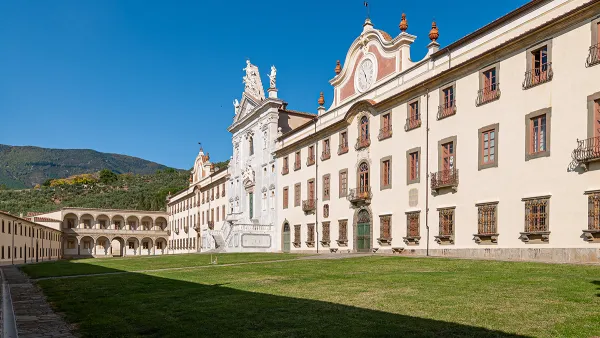
From this year, the Museum of Natural History of the University of Pisa is offering free admission to all students from the partner universities of Circle U. Entry is granted upon presentation of a valid form of identification, such as a university badge or student card. This initiative represents a tangible step towards creating a truly shared international campus, capable of strengthening ties between partner universities and fostering genuine knowledge exchange.
As a Circle U. Ambassador for the University of Pisa, I work with three other colleagues to promote the Alliance’s values and projects within the student community. Our aim is to contribute to the development of a more cohesive and inclusive European academic community that is aware of its shared heritage. In this spirit, I have actively supported an initiative designed to broaden access to Pisa’s cultural heritage, offering all students on mobility programmes an additional opportunity for educational enrichment during their stay.
A scientific heritage in the Charterhouse of Calci
The initiative stems from the recognition of the central role played by university museums in education. Far from being mere repositories of collections, they are genuine laboratories of active knowledge, capable of complementing teaching activity with direct experience, stimulating curiosity, and encouraging an interdisciplinary approach to learning.
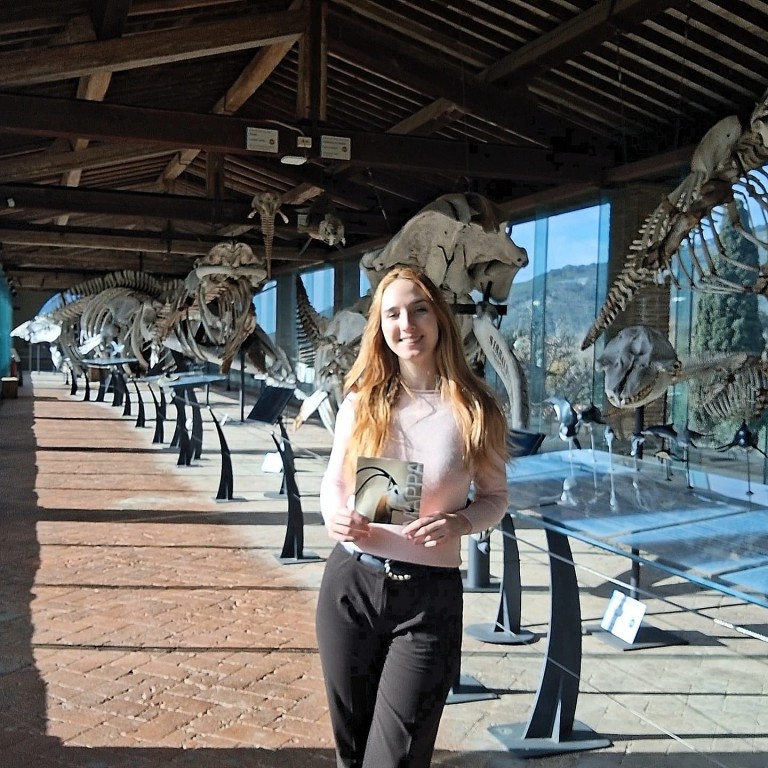
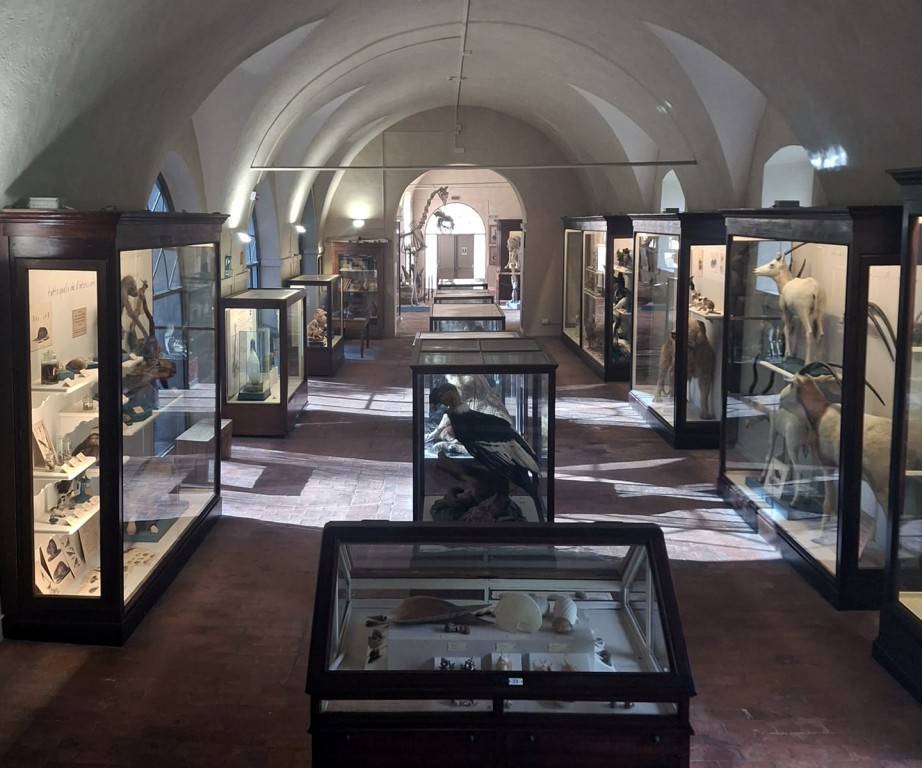
Founded in the sixteenth century as a natural history “Gallery”, the Museum of Natural History is today the largest museum of the University of Pisa and one of the most important of its kind in Italy. Housed in the former Charterhouse of Calci, it preserves collections of extraordinary scientific value, ranging from palaeontology and mineralogy to zoology and comparative anatomy. Among its most striking spaces is the Gallery of Cetaceans, located in the seventeenth-century loggia, which hosts one of the most significant osteological collections of marine mammals in Europe.
A concrete step towards a shared campus
I would like to thank the Museum of Natural History for positioning itself as a living and accessible resource for the entire Circle U. student community through this initiative. Turning the collections of the University of Pisa into a shared asset of the Alliance gives concrete form to the ideals of cooperation, inclusion and shared opportunity that underpin the European project. I sincerely hope that this initiative can soon be extended to the other Unipi museums as well.