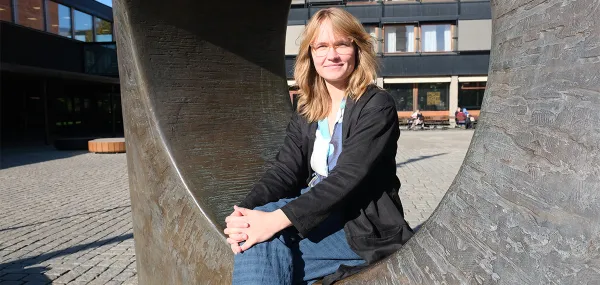
Anna Louise Skovgaard works in medical anthropology at Aarhus University, focusing on decision-making processes in orthopedic surgery. The idea for a research stay in Oslo emerged after Eivind Engebretsen, professor at the University of Oslo, delivered a presentation in Aarhus. Inspired by his work, Skovgaard reached out to inquire about visiting his research group, Knowledge in Translation: Studies in the Translational Medical Humanities (KNOWIT), and then applied for and received Circle U. mobility funding.
The funding that made the difference
The Circle U. Postdoc Mobility Programme provides financial support for stays of up to 20 working days at partner universities. For Skovgaard, the grant amount covered the necessary expenses for flight tickets and temporary housing in Oslo. "The financial incentive makes all the difference between having the opportunity to travel or not," Skovgaard emphasises.
The value of in-person collaboration
Skovgaard says that being on site in another academic environment provides perspectives and experiences that cannot be gained through reading articles and publications from a distance.
Daily interaction provided a firsthand look at how the KNOWIT group works in practice and engages in academic discussions. At the same time, the visit reinforced institutional connections between Medical Humanities researchers at Aarhus University and the University of Oslo.
Skovgaard also appreciates how Circle U. makes international exchange easily accessible.
"It’s one thing to read a book someone wrote on a subject, but to come and see how they work with it in practice – that is immensely inspiring. It provides an opportunity to strengthen and expand professional networks, and everything is just easier once you’ve met in person and spent time together,"

Anna Louise Skovgaard, Aarhus University
Outcomes and future projects
The research stay has already produced tangible results. During her weeks in Oslo, Skovgaard recorded a digital lecture in one of the university's media studios. The lecture will be featured in the series Bridging Humanities and Medicine for Sustainable Impact, and she also gave a seminar on her own research project. In addition, she and Professor Engebretsen are currently co-authoring a joint scientific publication.
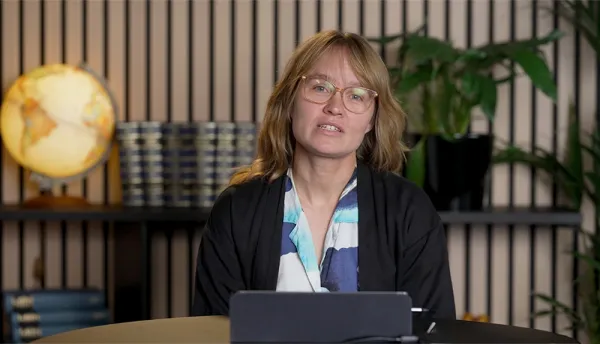
The personal contacts she has established during her stay will make it much easier to involve colleagues from Oslo as she and her team in Aarhus plan a joint symposium for an international conference next year.
"It means I have new contacts to draw upon when brainstorming new projects and collaborations. Reaching out becomes so much easier," Skovgaard says.
Advice to other postdocs
To other postdocs considering international mobility schemes, Skovgaard offers clear encouragement: "My advice is to go after something you find genuinely interesting, reach out, and initiate the collaboration. Find an academic community or someone whose work inspires you and can bring something fresh to your own field – and then just apply."