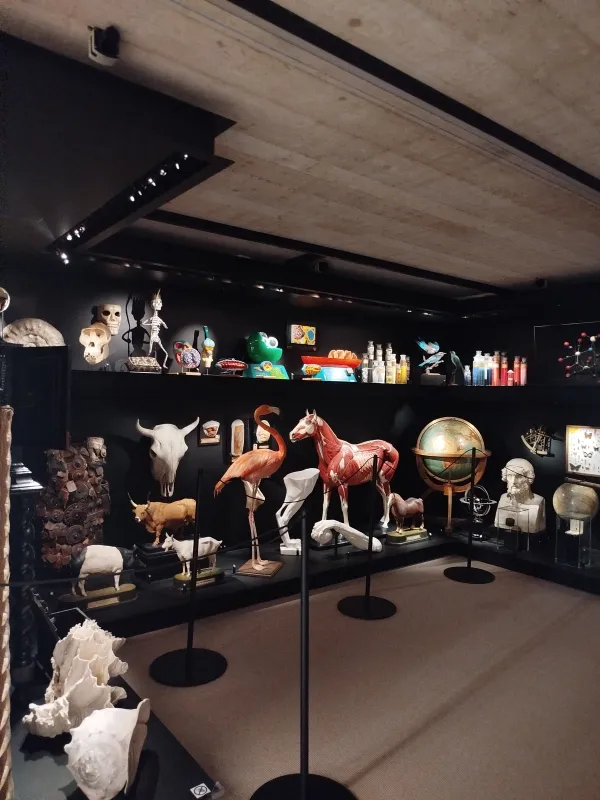
For the first time since the project began, partners working on university collections across Circle U. met in person. The workshop took place on 6 and 7 October at the Musée L in Louvain-la-Neuve.
It was a key step for New Challenges for the Circle U. Collections (NCFCUC), a project led by Marino Ficco at UCLouvain and supported by the Circle U. Seed Fund. It aims to connect collection managers and researchers across the alliance, and to create a lasting way of sharing knowledge, skills and opportunities. The project also wants to offer a safe space to discuss sensitive subjects, such as the ecological transition or collections with colonial or otherwise problematic origins. You can read more about its goals in our earlier article on the project.
Until October, everything had happened online. Four video meetings had let the partners introduce their museums and collections to one another, and each institution had written a report describing what it holds and how it is managed. Those reports will circulate within the consortium only. They contain too much confidential information to be made public.
Two days at Musée L
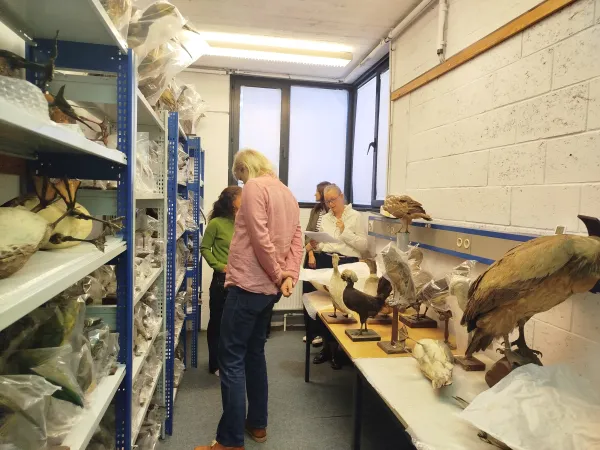
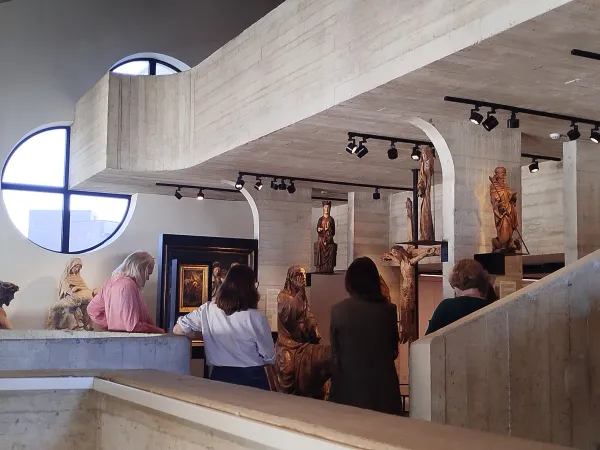
The first day was spent on site. Participants started with a selection of UCLouvain’s scientific collections, then toured the Musée L itself. After lunch, the UCLouvain Archives Department opened its doors, and the day ended with a discussion round where each institution presented its report and the group looked at the problems they share.
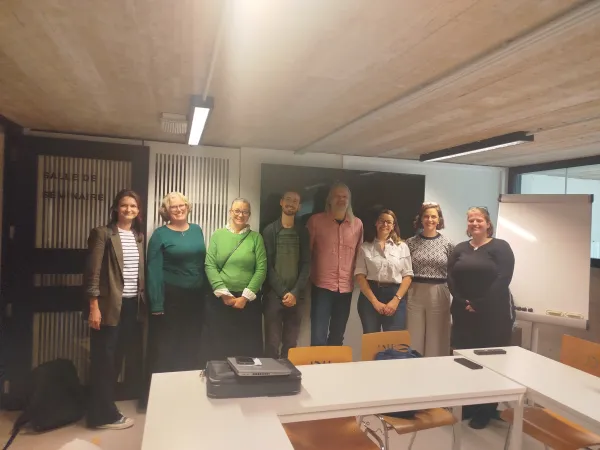
On the second day, three guests took the floor: Annie Lussier from the Redpath Museum at McGill University, Eva Namusoke from Cambridge and Tharushi Bowatte from Melbourne. Each described how collections are run at their university and brought a case study of something that works well. Comparing notes with colleagues from very different places turned out to be the most useful part, and it gave the partners plenty of ideas for working together.
Colleagues from Oslo, Paris-Cité and Belgrade made the trip to Louvain-la-Neuve, while Vienna and King’s College London joined by video.
What happens next
The group will meet again in Vienna next year, and Claudia Feigl will lead it in 2027. Before that, a first online meeting on 19 January 2027 will settle the theme of a joint project to be carried out remotely, and one or two more online sessions will be planned. The partners also want to write a letter of intent presenting the initiative to their universities’ leadership and asking them to support it once the current project is over.