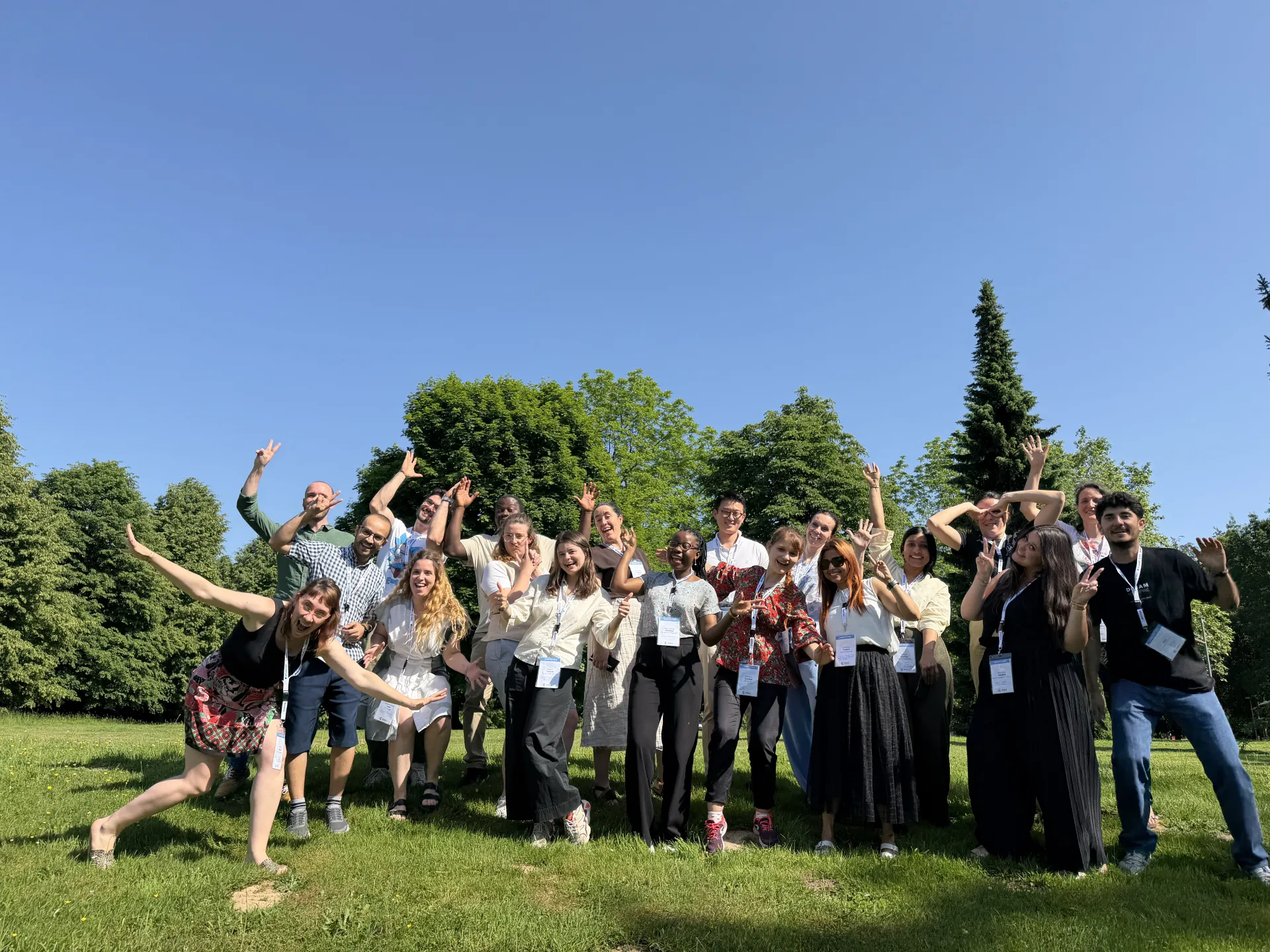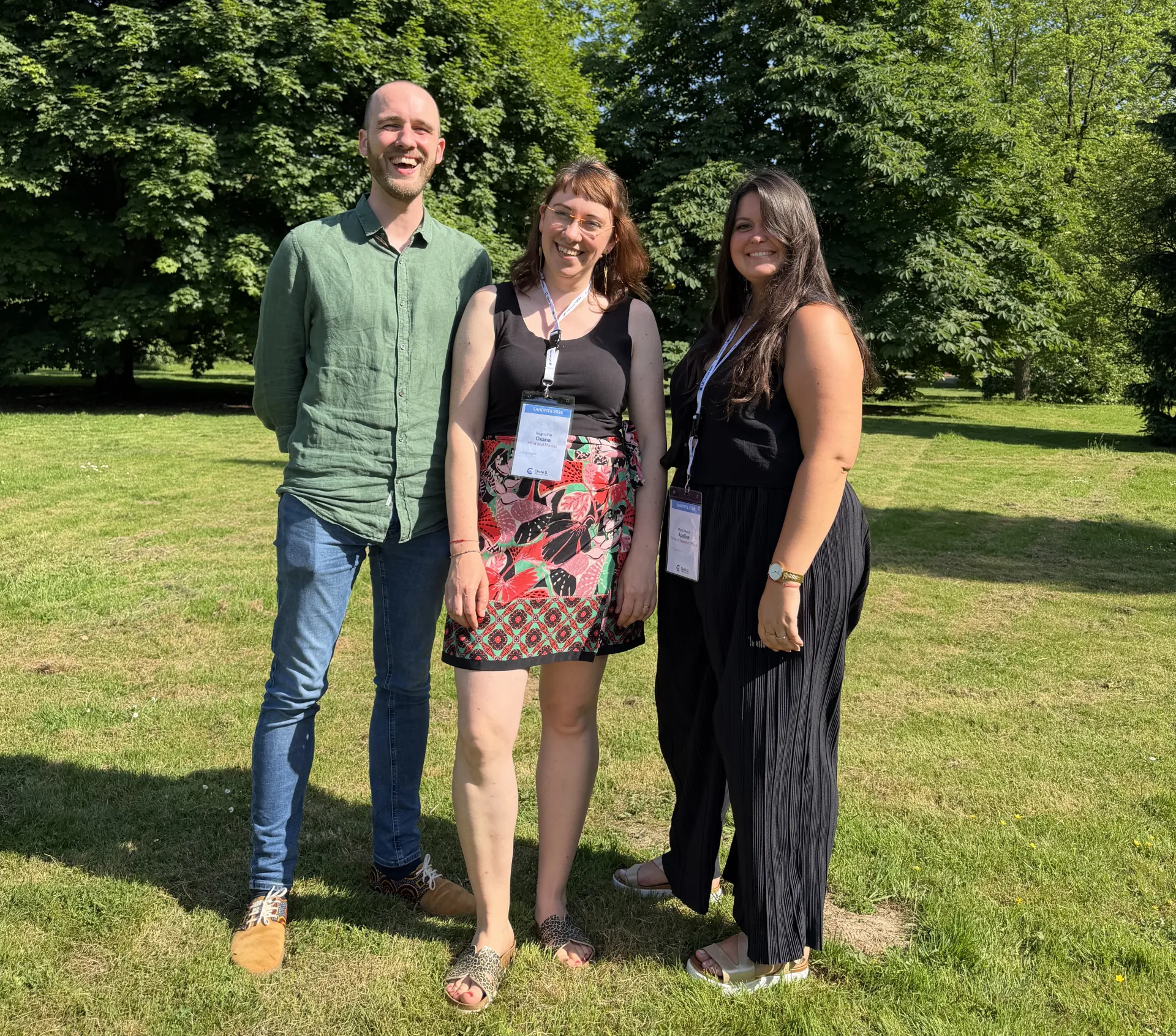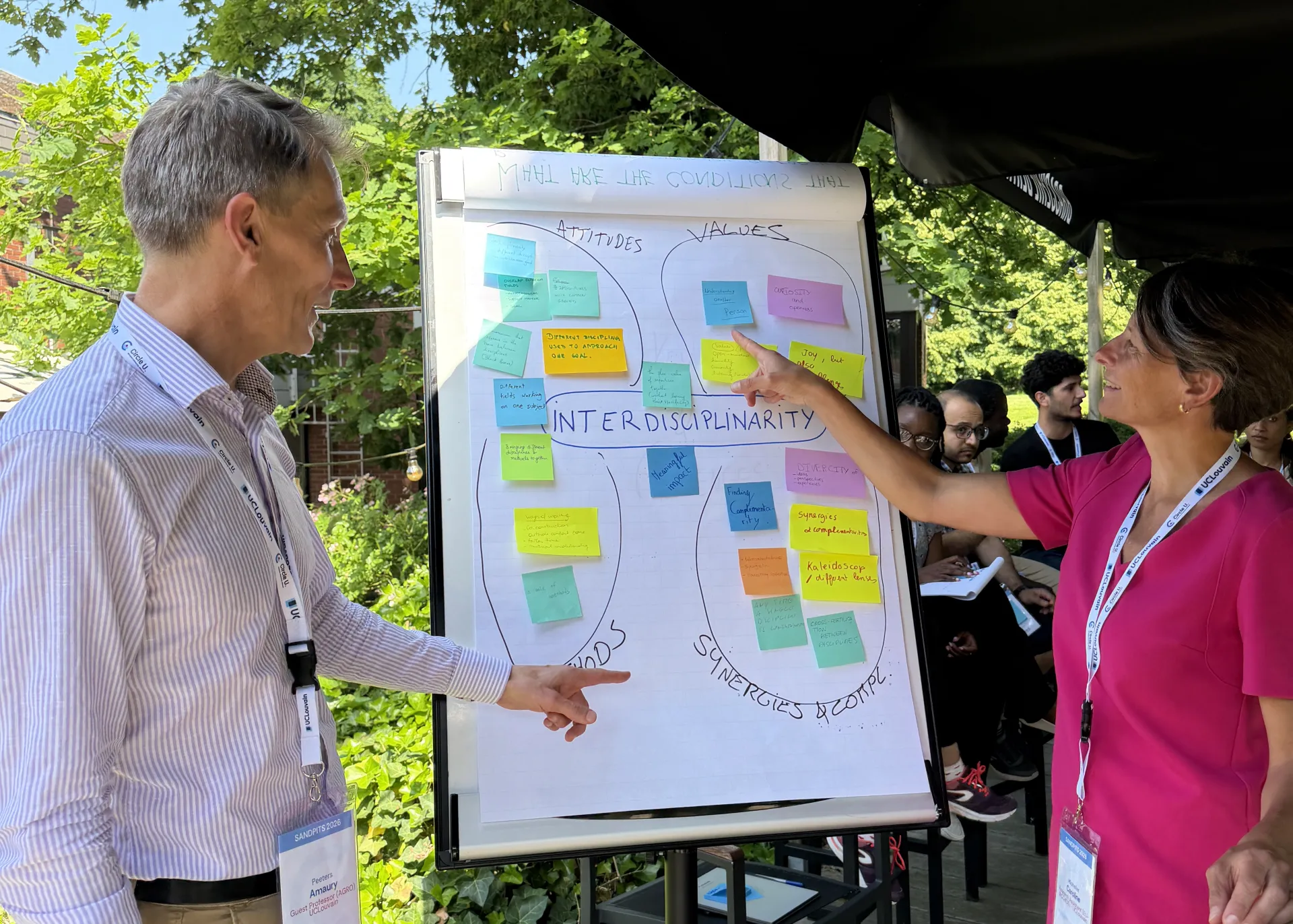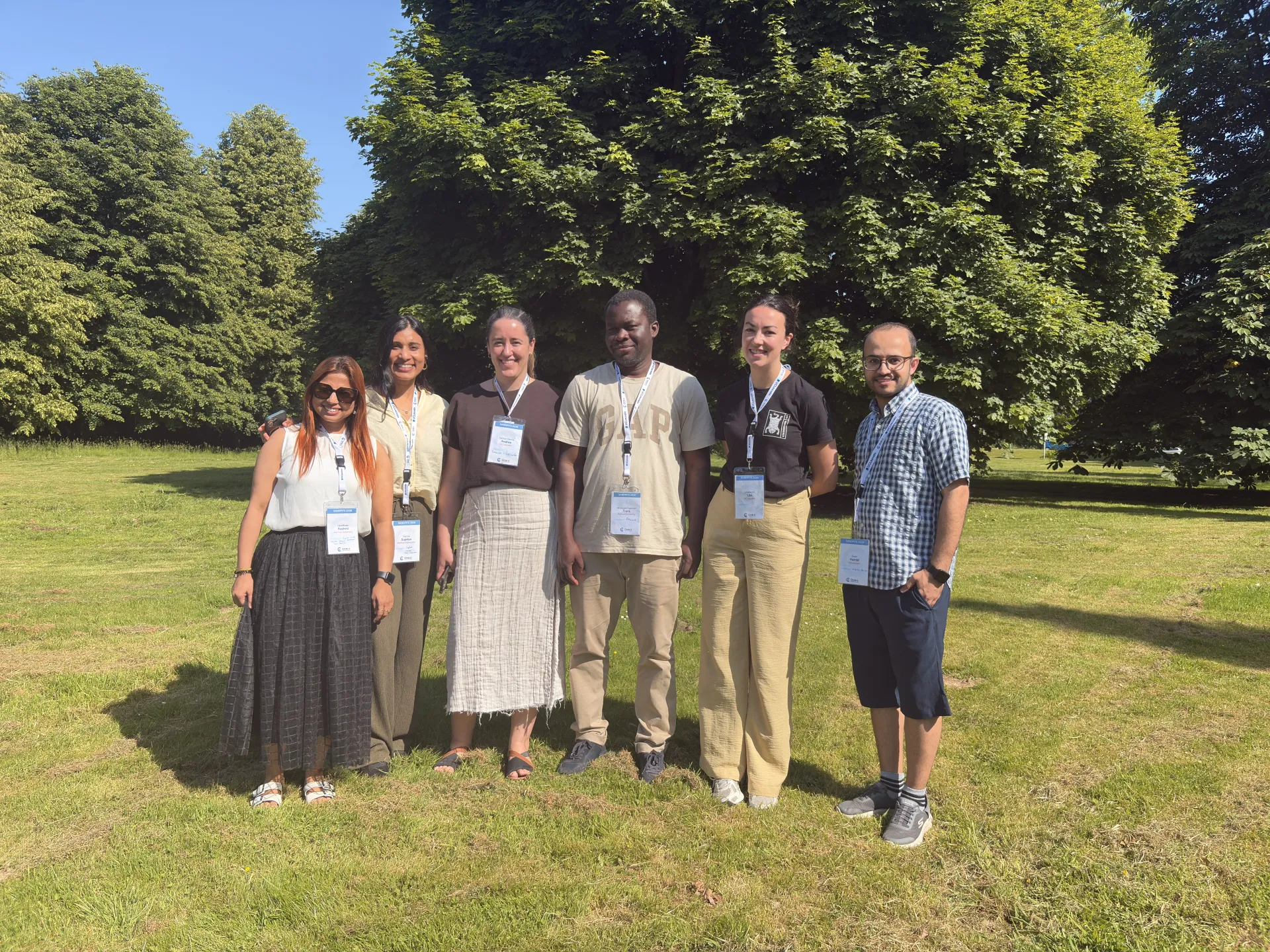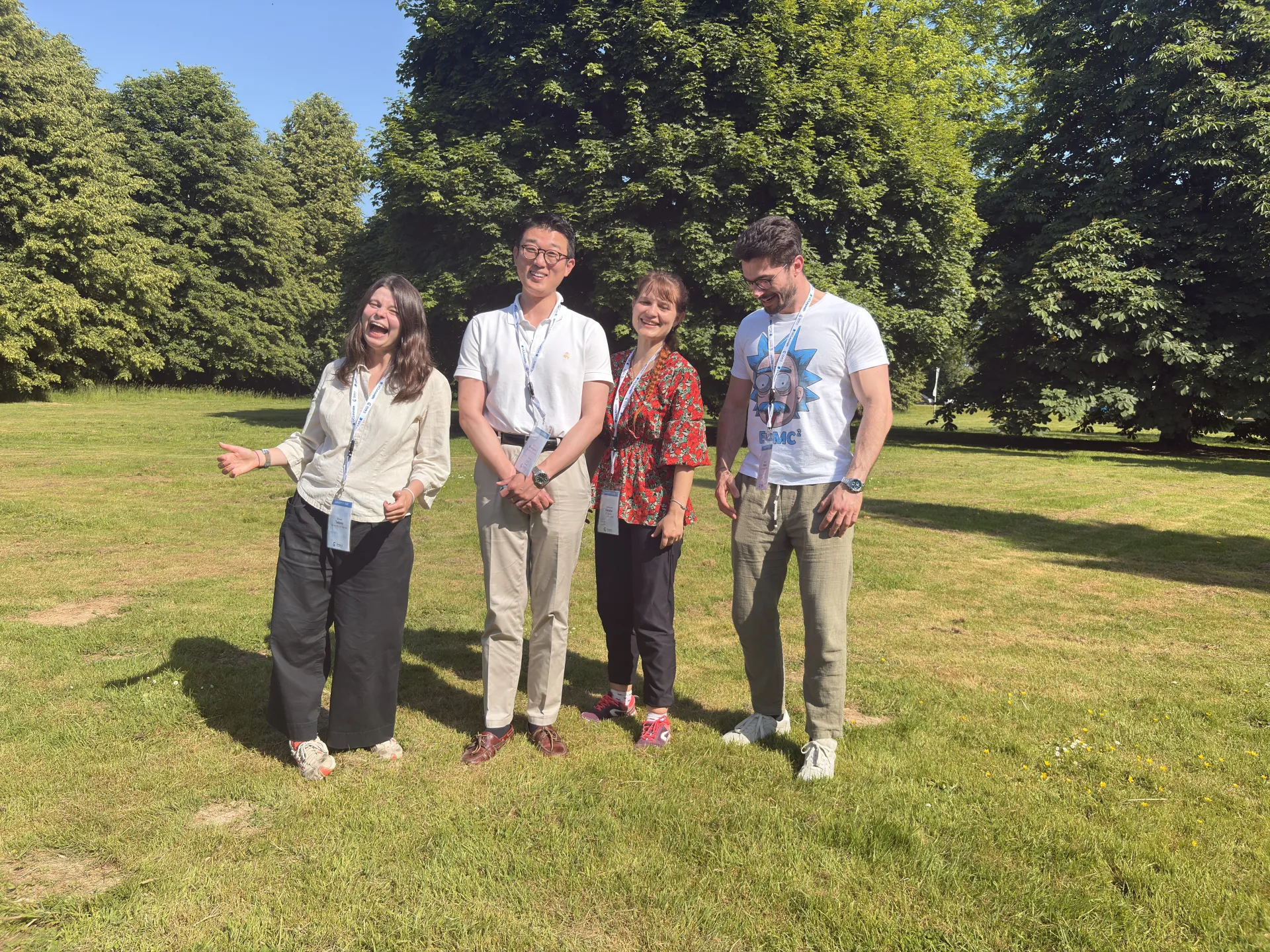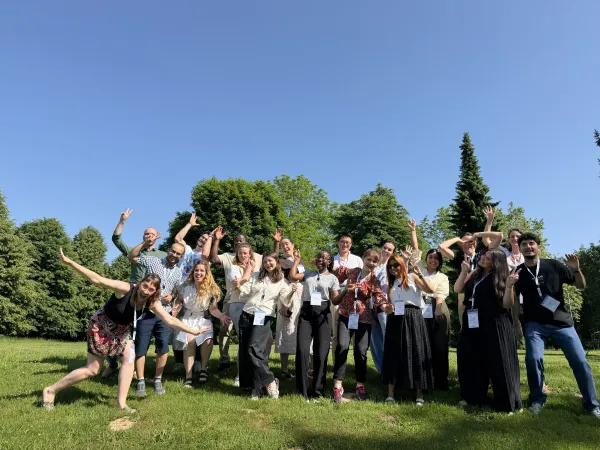
For the 2026 edition of the Sandpits programme, researchers from the universities of the Circle U. Alliance gathered at UCLouvain to design interdisciplinary research projects addressing sustainability and transition challenges. A first in-person session, held from 27 to 29 May, was dedicated to the development of project ideas. The closing session took place online on 30 June, where the teams presented their projects to the panel of mentors who had supported them throughout the process.
As a result of this collaborative exercise, three original projects emerged.
CLIP
The CLIP project examines the implications of the European Union Deforestation Regulation for coffee supply chains, with a particular focus on small-scale producers in countries of the Global South. It is based on the observation that environmental regulations, while essential, may generate unintended socio-economic consequences for certain stakeholders.
Team:
- Supriya Verma (Aarhus University)
- Rashmi Upadhyay (Aarhus University)
- Frank Akowuge Dugasseh (Aarhus University)
- Hamid Basiri (UCLouvain)
- Léa Lebeaupin (UCLouvain)
- Andrea Garcia (UCLouvain)
SHIFT
The SHIFT project explores the environmental and social challenges associated with healthcare waste management. It focuses particularly on how transitions towards more sustainable practices affect hospital staff, who are often at the forefront of implementing these changes.
Team:
- Caroline Demeyère (UCLouvain)
- Mattia Alberti (University of Pisa)
- Byeongsun Ahn (University of Vienna)
- Tatiana Shevel (University of Vienna)
PATCHWORK
The PATCHWORK project addresses a key challenge in contemporary research: interdisciplinary collaboration. The team seeks to better understand epistemic differences between disciplines in order to identify barriers to cooperation and develop a dedicated training toolkit for researchers and students working across disciplinary boundaries.
Team:
- Lórien MacEnulty (UCLouvain)
- Lara Pierquin-Rifflet (UCLouvain)
- Coline Ruwet (UCLouvain)
- Valérie Tosi (University of Pisa)
During the final presentation session, the teams received feedback from the jury to further strengthen their research design. The three projects will now be submitted to the Circle U. Seed Funding call, with the ambition of turning these initial ideas into sustainable research collaborations. These promising initiatives fully illustrate the value of the interdisciplinary exchanges fostered by the Sandpits programme. We wish them every success in the next stages of their journey.
Gallery